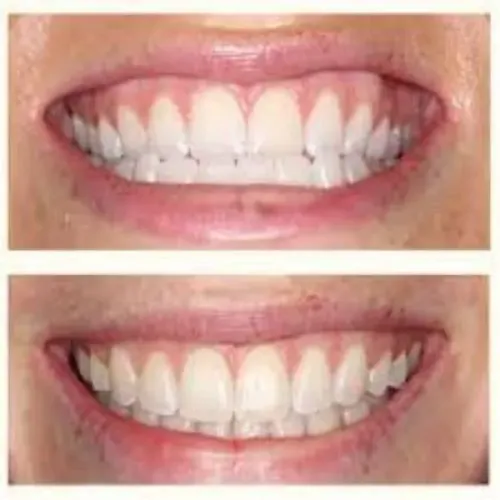


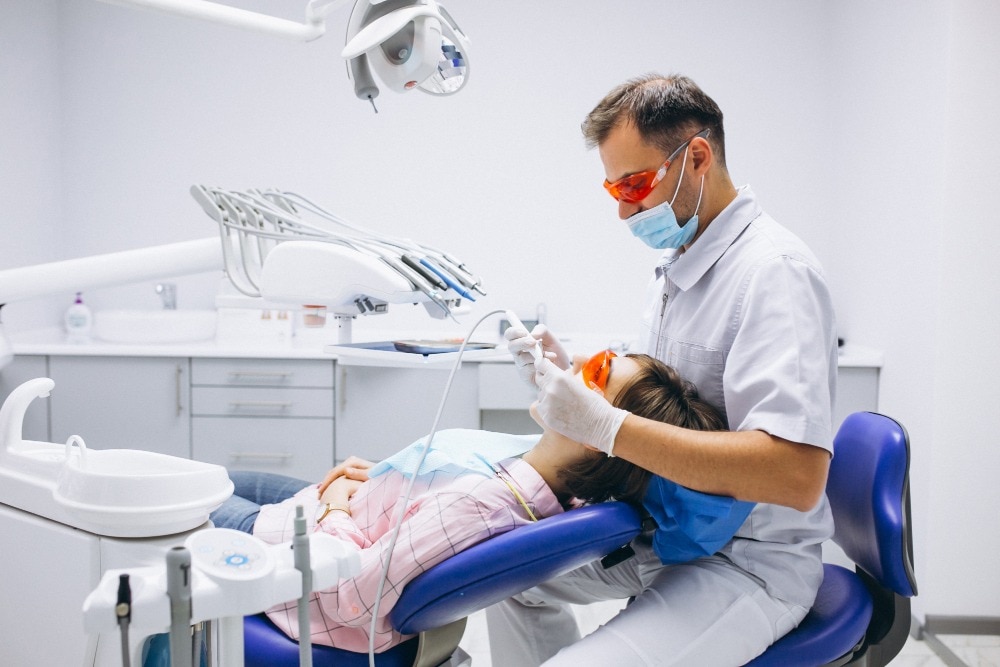
A cleaning appointment is more than a quick polish: the dentist checks your gums, identifies hardened deposits and decides whether routine cleaning is enough. By the end, you will know what happens at each stage, what the instruments feel like, how to prepare and when bleeding or deep pockets require gum treatment instead.
Key takeaways
- Share your medicines and medical conditions before cleaning begins.
- Scaling removes hardened tartar that brushing cannot remove.
- Routine cleaning cannot treat deep gum pockets or advanced gum disease.
- Avoid smoking and follow your dentist’s aftercare advice after cleaning.
What happens from check-in to the end of a cleaning visit
A professional teeth cleaning in Chinchwad starts with questions about your medical and dental history. Tell the dentist about diabetes, pregnancy, allergies, heart-valve history, recent surgery, immune suppression, anticoagulants and every medicine you take. Do not stop prescribed anticoagulants unless the prescribing clinician instructs you to do so.
The visit usually follows this sequence:
- The dentist examines your teeth, gums, fillings, crowns and implants.
- They check plaque, hardened calculus, bleeding, gum-pocket depth, recession and tooth mobility.
- X-rays are taken only when symptoms, decay risk, age, examination findings or previous images justify them.
- An ultrasonic scaler loosens calculus with vibration and water; a hand scaler removes deposits in narrow areas.
- A polishing cup and paste remove some external tea, coffee or tobacco stains.
- The dentist rinses the mouth and checks whether deposits remain.
Scaling can feel like pressure, vibration, cool water or brief sensitivity. Bleeding usually indicates inflamed gum tissue, not damage caused by cleaning. Tell the clinician if discomfort becomes sharp; numbing may be appropriate for sensitive areas.
Before leaving, ask what you can eat, whether sensitivity needs special care and how to brush around tender gums. Persistent bleeding, swelling, pus, bad breath, recession, loose teeth or deep pockets require a periodontal assessment rather than repeated routine polishing.
What the instruments do and whether cleaning hurts
Most routine cleanings take 30 to 60 minutes. Eat normally, brush and floss gently, and bring an accurate list of medicines and medical conditions. Tell the dentist in Chinchwad for cleaning about anticoagulants, diabetes, pregnancy, immune suppression, allergies, heart-valve history and recent surgery. Never stop a prescribed anticoagulant without instructions from the prescribing clinician.
| Instrument | What it does | What it feels like |
|---|---|---|
| Ultrasonic scaler | Breaks calculus with vibration and water | Light pressure, buzzing and cool spray; sensitive teeth may react sharply |
| Hand scaler | Lifts remaining calculus from individual surfaces | Scraping or pressure in precise spots |
| Polishing cup and paste | Removes plaque and some external stain | Spinning pressure and a gritty, minty sensation |
| Suction, air and water syringe | Keeps the area clear and rinses debris | Brief pulling, air or water around the teeth |
Cleaning is usually uncomfortable rather than painful, although inflamed gums can bleed and exposed roots can feel sensitive. Tell the clinician immediately if a sensation is painful; they can pause, adjust the instrument or discuss numbing. Routine cleaning removes above-gum plaque, calculus and some surface stain.
Deep pockets, bone loss or recurrent bleeding need periodontal measurements and a separate scaling-and-root-planing plan, which can require local anaesthetic and more than one visit. Implants still need cleaning, with instruments selected to protect their components.
What routine cleaning can remove—and when it is not enough
Routine cleaning removes soft plaque, some calculus and external stains; it does not cure infection below the gumline. Plaque is the sticky, bacteria-filled film that returns daily and brushes away. Calculus, or tartar, is hardened plaque that brushing and flossing cannot remove, so a dentist or hygienist must scale it away.
Polishing can reduce stains from tea, coffee and tobacco. It is not whitening and will not change enamel’s natural colour or reliably remove fluorosis, trauma-related or medication-related stains.
Gum infection needs closer assessment than a polish. Look for these warning signs:
- Bleeding that recurs during brushing or professional cleaning
- Swollen, red or tender gums
- Pus, persistent bad breath or a bad taste
- Gum recession, loose teeth or teeth that have shifted
- Deep gum pockets or bone loss found during examination or on X-rays
If these findings are present, ask for periodontal measurements and a documented diagnosis rather than another fixed cleaning. A routine cleaning treats deposits above the gumline; scaling and root planing cleans calculus below it and smooths diseased root surfaces. It can require local anaesthetic, multiple appointments and a periodontal-maintenance schedule.
Deep pockets, bone loss or ongoing bleeding can indicate periodontitis, which involves loss of attachment and supporting bone. Your plan may include non-surgical gum treatment in Chinchwad, radiographs, referral to a periodontist or surgery when indicated. A later review confirms whether the gums are healing.
How often you need cleaning and what to do afterward
Six months is not a universal prescription. Recall is set from plaque levels, bleeding, pocket depths, cavities, smoking, diabetes, medicines, age and the previous visit’s findings. Professional teeth cleaning in Chinchwad should include a documented review; active gum disease needs gum treatment in Chinchwad, not repeated polishing.
- Low-risk adults: review and cleaning every 6–12 months, adjusted when findings change.
- Children: usually 6–12 months, with shorter recalls for frequent cavities, poor cleaning or orthodontic appliances.
- Smokers: often every 3–6 months because tobacco raises gum-disease risk and can hide bleeding.
- Braces: commonly every 3–6 months, alongside daily cleaning around brackets and wires.
- Implants: usually 3–6-month maintenance; use implant-safe instruments and inspect for bleeding or swelling.
- Diabetes: use a shorter interval when control is poor, bleeding persists or healing is delayed.
- Previous periodontitis: periodontal maintenance often occurs every 3–4 months, based on pocket measurements and recurrence.
After cleaning, brush twice daily with fluoride toothpaste and clean between teeth with floss, interdental brushes or a water flosser. Avoid smoking and delay strongly coloured foods if polishing leaves sensitivity. Follow prescribed fluoride or antimicrobial instructions, and contact the dentist for persistent bleeding, pus, swelling, bad taste, worsening pain or a loose tooth.
Keep the review appointment even when your mouth feels clean.
What the dentist may find and how to choose the right clinic
A cleaning should end with a clear diagnosis, not just smoother teeth. If bleeding persists, pockets are deep, or bone loss appears on an X-ray, the next step is periodontal charting, treatment planning and a review appointment—not repeated superficial polishing.
| Finding | What should happen next | Why it matters |
|---|---|---|
| Gingivitis | Remove deposits, review brushing and interdental cleaning, then reassess | Inflamed gums often improve when plaque and calculus are controlled |
| Deep pockets or bone loss | Discuss scaling and root planing, radiographs, periodontal maintenance or referral | Periodontitis damages attachment and supporting bone |
| Recession | Check for root sensitivity, traumatic brushing and attachment loss | Recession can expose roots and needs cause-specific care |
| Cavity | Arrange restoration or monitoring based on its depth and location | Cleaning cannot repair decay |
| Loose restoration | Examine the tooth, bite and restoration before repair or replacement | A loose filling or crown can trap plaque and leak |
| Implant-related inflammation | Clean around the crown with implant-safe instruments and assess for mucositis or peri-implantitis | Bleeding, swelling or pus around an implant is not ordinary staining |
Before booking a dental clinic in Chinchwad, ask:
- Will you measure pocket depths and provide a documented diagnosis when gum problems appear?
- Do you offer scaling and root planing, radiographs and periodontal review when indicated?
- How do you clean around implants without damaging their surfaces?
- Should you report diabetes, pregnancy, immune suppression, allergies, heart-valve history or medicines? Never stop anticoagulants without prescriber guidance.
Dr. Gaikwad's Dental Clinic is one clinic to ask these questions of when comparing care. A dentist in Chinchwad for cleaning should explain findings and next steps in writing.
Related services
Professional Teeth Cleaning Services Professional Teeth Cleaning Services Do You Need Teeth Cleaning? Are you experiencing bad breath and tooth sensitivity even after brushing and flossing? It could be because of excessive... |
Gum care Gum care Gum care is as important as caring for the teeth since the gums can get infected and be affected by food debris and tartar. |
Frequently asked questions
What happens during a professional teeth cleaning in Chinchwad?
The visit usually includes a medical and dental history review, an oral examination, plaque and tartar removal, polishing, flossing guidance, and advice about follow-up care.
Does professional teeth cleaning hurt?
Cleaning is usually comfortable, but you may feel pressure or sensitivity when instruments remove tartar near inflamed gums. Tell the dentist if you feel pain so they can adjust the approach.
What can routine teeth cleaning remove?
Routine cleaning removes plaque, surface stains and hardened tartar above and near the gumline. It cannot remove tartar from deep gum pockets or treat advanced gum disease on its own.
How often should I have my teeth professionally cleaned?
Your dentist sets the interval after checking plaque buildup, tartar, gum health, medical conditions and home-care habits. Follow the recommended schedule rather than waiting for pain or bleeding.
When do I need gum treatment instead of routine cleaning?
You may need gum treatment when the examination shows deep gum pockets, persistent bleeding, gum recession, loose teeth, bone loss or infection.