
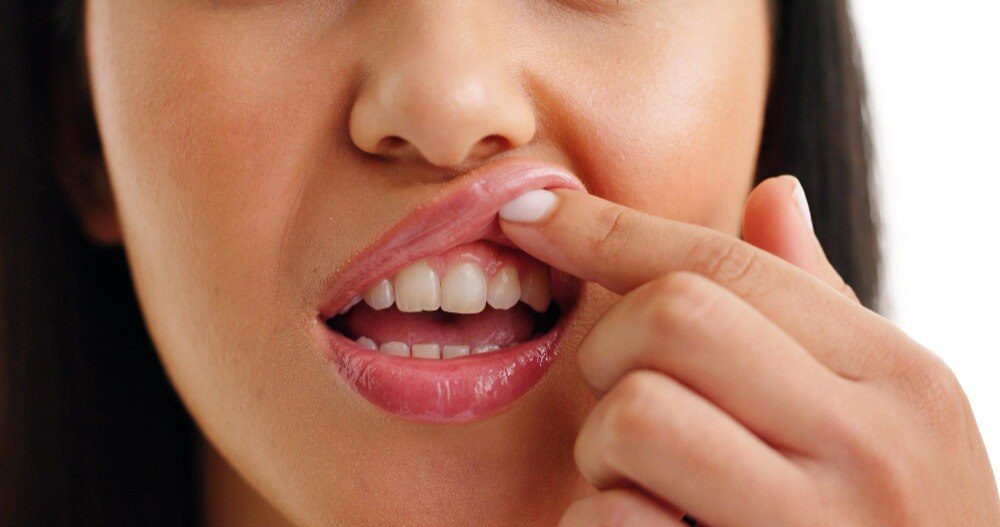
An implant needs healthy gum tissue, stable supporting bone and manageable oral inflammation—not just an empty space where a tooth is missing. You will learn which gum problems must be treated first, how readiness is tested appointment by appointment, and what to ask before choosing treatment.
Key takeaways
- Treat active gum inflammation before implant surgery.
- Check gum pockets, bleeding, bone support and oral hygiene first.
- Complete cleaning and periodontal treatment before final implant planning.
- Maintain daily cleaning and scheduled reviews after implant placement.
Why gum disease must be controlled before an implant
An implant should not be placed while periodontal inflammation is active because bacteria and inflamed tissue can disrupt healing and increase the risk of peri-implant disease. A dental implant replaces a missing tooth; it does not cure infection around the remaining teeth. Untreated periodontitis can also reduce supporting bone and make long-term cleaning more difficult.
1. Active gum disease can spread problems to the implant area. Bleeding, deep periodontal pockets, pus or loose teeth indicate that plaque-related inflammation is not controlled.
2. A tooth with a poor periodontal or endodontic prognosis can remain an infection source after implant placement. Treating, monitoring or removing that tooth must fit the overall restorative plan.
3. Smoking and poorly controlled diabetes can worsen gum inflammation and healing. Record both before surgery and address them rather than treating implant placement as a stand-alone procedure.
The goal of gum care for before dental implants in Chinchwad is stable disease, not merely polished teeth on the surgery date. After periodontal treatment, the dentist should reassess probing depths, bleeding and your ability to control plaque.
Dental implants in Chinchwad should be planned only after these findings support a healthy, maintainable mouth; bone grafting cannot compensate for untreated gum infection.
Recognise the gum problems that change implant planning
Bleeding, pus, loose teeth or pain while chewing can change implant timing because they indicate active gum or tooth disease. Gingivitis affects the gum surface; periodontitis destroys attachment and supporting bone. Recession exposes the root, while bone loss is confirmed through periodontal measurements and dental imaging.
An acute gum abscess is a sudden, localised infection that needs urgent care.
| Condition | What you may notice | What it means for implant planning |
|---|---|---|
| Gingivitis | Red, swollen gums that bleed; no attachment loss | Treat plaque and calculus, then confirm bleeding has settled |
| Periodontitis | Deep pockets, persistent bleeding, bad breath, loose teeth or gum tenderness | Control inflammation and reassess pocket depths, bleeding and mobility before planning |
| Gum recession | The tooth looks longer; root sensitivity or a notch near the gumline | Assess tissue thickness, root exposure and appearance; recession alone does not prove periodontitis |
| Bone loss | Often painless; teeth may drift or loosen | Measure the defect on X-rays and use CBCT when anatomy or grafting requires three-dimensional detail |
| Acute gum abscess | Sudden swelling, throbbing pain, pus, bad taste or fever | Treat the infection and identify the responsible tooth before extraction or immediate implant placement |
Arrange gum treatment in Chinchwad before implant planning if you have bleeding during brushing, swollen or tender gums, persistent bad breath, pus, loose teeth, recession or chewing pain.
Gum care for before dental implants in Chinchwad is not just a same-day cleaning: deep pockets, attachment loss or an abscess require diagnosis, treatment and a healing review.
How an implant-readiness examination measures risk
An implant-readiness examination measures whether infection is controlled and whether the planned implant has a stable foundation. Before dental implants in Chinchwad, the clinician records gum pockets, bleeding, plaque control and signs of active periodontitis rather than judging readiness from a single cleaning visit.
- Periodontal probing measures pocket depth around every tooth. Bleeding on probing, pus and deep pockets indicate inflammation that needs control before surgery.
- Tooth mobility testing shows whether remaining teeth have weakened support. The dentist also checks decay, failed fillings and root-canal problems because an infected or poor-prognosis tooth can threaten the restorative plan.
- Bite assessment records how your upper and lower teeth meet, including heavy contacts, grinding signs and available space. Excess force can overload an implant or its crown.
- Dental X-rays show tooth roots, existing bone height, infection and nearby structures such as the sinus or nerve canal.
- Three-dimensional CBCT imaging maps bone width, height and anatomy when ordinary X-rays cannot answer those questions. It also helps identify whether grafting is needed.
The result is a risk assessment, not a simple pass or fail. Stable gums, manageable plaque, suitable remaining teeth, a balanced bite and adequate bone support the plan. Bleeding, progressive pockets, loose teeth or an untreated abscess require attention first; peri-implant inflammation is harder to manage when the same disease remains active elsewhere.
The treatment sequence from cleaning to implant planning
Finding periodontitis changes the sequence: control infection and inflammation before choosing implant surgery. The aim is stable gums, not a temporarily clean mouth. Untreated pockets can expose dental implants in Chinchwad to the same bacteria and compromise healing.
1. Begin with gum treatment in Chinchwad through brushing and interdental-cleaning instruction, followed by professional removal of plaque and calculus above and below the gumline.
2. Scaling removes deposits; root planing smooths contaminated root surfaces beneath the gums. If attachment loss or deep pockets are present, scaling alone is incomplete periodontal treatment.
3. Allow the tissues to heal, then attend a periodontal review. The dentist rechecks probing depths, bleeding at probing, plaque control, gum swelling, tooth mobility and any pus. Persistent deep pockets require further periodontal treatment, such as local therapy, periodontal surgery or specialist care.
4. Treat, monitor or remove teeth with a poor gum or root-canal prognosis before implant planning. Leaving an infected or unstable tooth beside the proposed site can complicate healing and long-term maintenance.
5. Implant surgery becomes appropriate only after disease is controlled and home care is reliable. The team then confirms stable probing measurements, little or no bleeding, acceptable bone and a manageable bite. Smoking and poorly controlled diabetes must be addressed in the plan because both can impair healing; diabetes alone does not automatically exclude implants.
Recurrent bleeding or deep pockets means the review-and-treatment cycle must continue before placement.
How to choose a team and protect the result long term
Choose a dental implant specialist in Chinchwad who gives you a written plan, not just a surgery date. Verify the dentist’s registration and relevant postgraduate training, and ask who will manage gum disease, place the implant and restore it. For dental implants in Chinchwad, request clear answers to these questions:
| Question | What a satisfactory answer includes | Warning sign |
|---|---|---|
| Credentials | Registration details, postgraduate training and the clinician responsible for surgery | Vague qualifications or no named provider |
| Smoking and diabetes | A tobacco-cessation plan, diabetes history, recent control information and medical coordination | “Smoking does not matter” or no diabetes discussion |
| Grafting | Clinical and radiographic assessment explaining ridge preservation, guided bone regeneration or a sinus procedure | Routine grafting offered without showing the defect |
| Implant timing | Stable probing depths, bleeding and plaque control, plus treatment of teeth with a poor prognosis before placement | An implant date before gum disease is controlled |
| Costs | Separate written fees for disease treatment, scans, grafting, implant, abutment, crown, medicines and repairs | One unexplained package price or no information about extra procedures |
| Maintenance | Reviews checking plaque, bleeding, pocket depths, natural teeth, restoration and X-rays when indicated | No recall schedule after the crown is fitted |
At Dr. Gaikwad's Dental Clinic, ask whether gum treatment in Chinchwad and implant care are coordinated under one documented plan. Your recall interval should reflect your periodontal history and plaque control, with closer reviews after previous periodontitis.
Related services
Gum care Gum care Gum care is as important as caring for the teeth since the gums can get infected and be affected by food debris and tartar. |
Professional Pediatric Dentistry Services Professional Pediatric Dentistry Services The initial years of one’s life bring with them a wide variety of physical changes including the shedding of milk teeth and the appearance of new,... |
Frequently asked questions
Why must gum disease be controlled before a dental implant?
Active periodontal inflammation introduces bacteria and inflamed tissue around the surgical site, which can disrupt healing and raise the risk of peri-implant disease. An implant replaces a missing tooth but does not treat infection around other teeth.
Which gum problems can change implant planning?
Bleeding gums, deep periodontal pockets, loose teeth, gum recession, pus, persistent swelling and bone loss can affect the timing, position or need for additional treatment before an implant.
What does an implant-readiness examination measure?
The examination checks gum bleeding and pocket depths, tooth mobility, recession, plaque control, bone support on dental imaging and the condition of neighbouring teeth.
What is the treatment sequence before dental implant placement?
The sequence usually starts with an examination, professional cleaning and periodontal treatment when needed. The gums are then reassessed before the dentist finalises implant position and surgical planning.
How can you protect gum health after receiving an implant?
Brush twice daily, clean between teeth and around the implant with the tools recommended for you, avoid smoking and attend periodontal and implant maintenance reviews.