

Choosing a cleaning appointment involves more than finding the nearest search result. You need to know whether the clinic provides a proper gum assessment, removes deposits at the correct level, explains comfort and aftercare, and refers you for periodontal treatment when routine cleaning is not enough.
Key takeaways
- Choose a clinic offering examination, scaling, polishing and gum assessment.
- Routine cleaning removes plaque; scaling removes tartar; deep cleaning treats gum disease.
- Expect mild sensitivity, with most cleaning appointments lasting 30 to 60 minutes.
- Book cleaning every six months or sooner for bleeding gums and tartar buildup.
How to choose a nearby clinic for professional teeth cleaning
Choose a clinic that is easy to reach from your Chinchwad neighbourhood and offers a complete examination, not only a quick polish. For a dental clinic in Chinchwad for professional teeth cleaning, ask whether the visit includes tartar assessment, gum-pocket checks when needed, scaling, polishing, home-care advice and treatment or referral if disease is found.
Use these questions before booking:
- Does a dentist examine my gums and teeth before cleaning?
- Will the clinic explain whether I need routine supragingival scaling or deep cleaning?
- Is the quoted appointment for one visit, or could gum treatment require multiple visits?
- Can the clinic manage patients with diabetes or coordinate periodontal care?
A reliable teeth-cleaning dentist in Chinchwad will not automatically recommend scaling and root planing. That treatment removes deposits below the gumline and treats gum disease; routine cleaning removes deposits above the gumline. Polishing can reduce external stains, but it does not whiten teeth or change their natural internal colour.
| Option | What it means | When it applies |
|---|---|---|
| Routine cleaning | Above-gum scaling and polishing | Limited tartar, healthy gum pockets |
| Deep cleaning | Scaling and root planing below the gumline | Gum disease, deep pockets or root deposits |
| Oral cleaning near Chinchwad | A nearby clinic offering examination and cleaning | Choose it when access, follow-up and periodontal care matter |
What a professional cleaning appointment includes
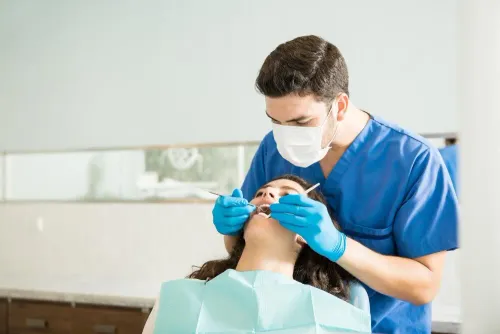
A complete appointment starts with an examination, not the polishing cup. The dentist reviews your medical history, checks teeth and restorations, looks for decay and plaque or tartar, and examines the gums for redness, recession, bleeding, loose teeth, persistent bad breath, pain or sensitivity.
- The dentist measures gum pockets when bleeding, swelling, recession or other signs suggest periodontal disease.
- An ultrasonic scaler or hand instruments remove supragingival calculus above the gumline.
- The dentist polishes external stains and plaque, then checks areas that remain rough.
- Flossing or interdental cleaning clears deposits between teeth and shows you where your technique needs improvement.
- You receive specific home-care advice, such as a soft-bristled brush, fluoride toothpaste and interdental brushes or floss.
Routine scaling does not whiten teeth: polishing can reduce surface stains, but it cannot change your natural internal tooth colour. If deposits extend below the gumline, scaling and root planing treats gum disease and may require local anaesthetic or more than one visit; the dentist should explain that before starting.
Tell the clinician if you have diabetes, because gum inflammation and glycaemic control affect each other. If you have implants, the appointment should include the implant, surrounding tissue and prosthesis, using implant-safe instruments.
A provider offering professional teeth cleaning in Chinchwad should also explain any decay, periodontal treatment or referral found during the examination rather than selling every visit as a quick polish.
Routine cleaning, scaling and deep cleaning: what is the difference?
A dentist chooses routine cleaning, scaling and polishing, or periodontal treatment by examining deposits and gum health, not by stains alone. They check redness, swelling, recession, bleeding, tooth mobility, bad breath, pain, decay and periodontal pocket depth. Suspected bone loss may require dental X-rays. Surface tartar does not automatically mean you need deep cleaning.
| Option | What it means | When it applies |
|---|---|---|
| Routine cleaning | Removes plaque and light deposits above the gumline, followed by polishing | Gums are healthy, pockets are shallow, and there is no sign of active gum disease |
| Scaling and polishing | Supragingival scaling removes hardened tartar; polishing removes some external stains and smooths surfaces | Tartar or surface staining is present without significant deep pockets or bone loss |
| Deep cleaning or periodontal treatment | Scaling and root planing removes deposits below the gumline and cleans contaminated root surfaces | Bleeding, deep pockets, recession, persistent bad breath, loose teeth or bone loss indicate periodontitis |
Bleeding during cleaning usually reflects inflamed gums, not damage from the instruments. If bleeding continues after improved plaque control and treatment, book a reassessment instead of repeating cosmetic polishing.
A professional teeth cleaning in Chinchwad should include an examination and periodontal measurements when indicated. Ask a dental cleaning clinic in Chinchwad or a teeth cleaning dentist in Chinchwad whether the quoted appointment includes scaling, polishing, home-care advice and treatment or referral for gum disease.
Local searches for oral cleaning near Chinchwad describe location, not a separate treatment.
What the appointment feels like and how long it takes
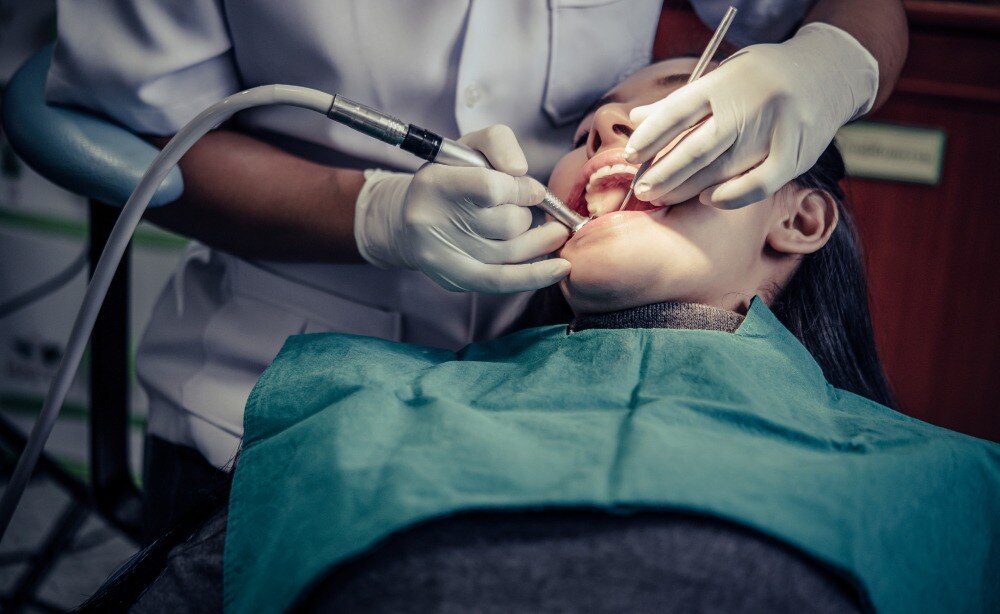
A routine professional cleaning is not usually painful. Expect firm pressure, scraping, vibration from the ultrasonic scaler, a water spray, and occasional cold sensitivity. The dentist uses a mouth mirror, periodontal probe, ultrasonic scaler, hand scaler, polishing cup or brush, polishing paste, and floss.
Inflamed gums can bleed during instrumentation; that usually reflects gum inflammation, not damage from cleaning.
| Appointment type | What you may feel | Typical time |
|---|---|---|
| Routine scaling and polishing | Pressure, vibration, water, mild sensitivity, and brief gum bleeding | About 30–60 minutes |
| Scaling and root planing | Deeper pressure, gum tenderness, sensitivity, and possible bleeding; local anaesthetic may be used | Longer or split across multiple visits |
A teeth cleaning dentist in Chinchwad should explain the difference before starting. Routine scaling removes deposits above the gumline; root planing treats deposits and contaminated root surfaces below it. Extensive deposits, deep pockets, or tender gums make deep cleaning less comfortable and slower.
Polishing can remove some outside stains from tea, coffee, tobacco, or food, but it does not bleach teeth or change their natural internal colour. If you visit Dr. Gaikwad's Dental Clinic, ask whether the fee includes a gum examination, polishing, and advice for managing sensitivity after treatment.
Related service
Professional Teeth Cleaning Services Professional Teeth Cleaning Services Do You Need Teeth Cleaning? Are you experiencing bad breath and tooth sensitivity even after brushing and flossing? It could be because of excessive... |
When to book cleaning and how to prepare
Book a routine cleaning every six months if your gums are healthy and plaque control is good. Your dentist may recommend cleaning every three to four months if you have periodontal disease, heavy tartar, diabetes, smoking-related gum risk, orthodontic appliances or a history of rapid tartar buildup.
Persistent bleeding, bad breath, gum swelling, recession, loose teeth, pain or sensitivity calls for an examination sooner, not repeated cosmetic polishing.
Before booking professional teeth cleaning in Chinchwad, ask whether the visit includes a gum examination and pocket measurements when indicated. Polishing can remove surface stains, but it cannot whiten teeth or change their natural internal colour.
1. Tell the teeth cleaning dentist in Chinchwad about diabetes, pregnancy, heart-valve conditions, immune disorders, bleeding disorders and previous reactions to dental treatment.
2. Give the clinic a complete medication list, including warfarin, apixaban, aspirin, steroids, insulin and supplements. Do not stop a blood thinner or alter insulin without instructions from the prescribing clinician.
3. Report allergies, loose teeth, implants, crowns, braces, mouth ulcers, current antibiotics and any recent surgery. These details affect instrument choice and treatment timing.
4. Eat and take routine medicines as prescribed unless your dentist or doctor gives different instructions. Bring blood-glucose guidance if diabetes makes missed meals risky.
5. Ask what level of care you need. Supragingival scaling treats deposits above the gumline; scaling and root planing treats gum disease below it and can require anaesthetic, tenderness, bleeding or multiple visits.
Frequently asked questions
How do I choose a clinic for professional teeth cleaning in Chinchwad?
Choose a nearby clinic that examines your teeth and gums, checks tartar and gum pockets when needed, performs scaling and polishing, gives home-care advice, and treats or refers you if disease is found.
What happens during a professional teeth cleaning appointment?
The dentist or hygienist examines your mouth, assesses plaque and tartar, checks your gums, removes deposits with scaling, polishes tooth surfaces, and explains home care.
What is the difference between routine cleaning, scaling and deep cleaning?
Routine cleaning usually combines plaque removal and polishing. Scaling removes hardened tartar above or below the gumline. Deep cleaning, also called scaling and root planing, treats gum disease beneath the gums.
How long does professional teeth cleaning take, and does it hurt?
A routine appointment often takes 30 to 60 minutes. You may feel vibration, water spray, pressure or brief sensitivity; deep cleaning can take longer and may require local anaesthetic.
When should I book a professional teeth cleaning appointment?
Book an appointment when tartar, persistent bad breath, bleeding gums or tooth staining develops, and follow the interval your dentist recommends. Brush and floss before the visit and list any sensitivity or medical conditions.