
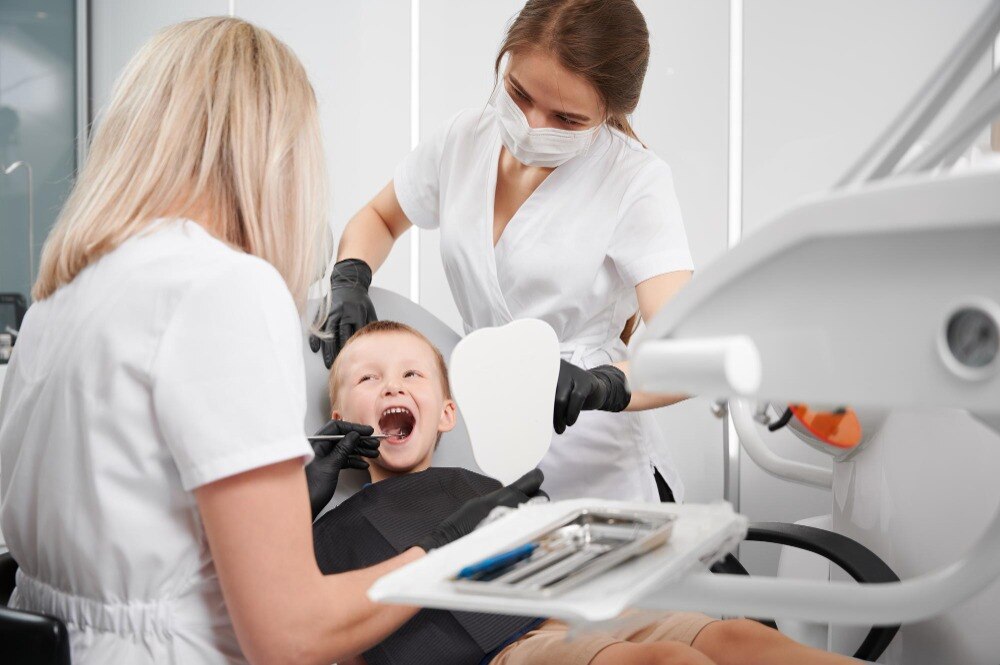
Preventive dental care starts before a child has tooth pain: the first visit checks cavity risk, fluoride exposure, oral habits, tooth development and brushing technique. By the end, parents can compare clinics, set an age-appropriate visit schedule, identify warning signs and build a home routine that lowers the chance of avoidable decay.
Key takeaways
- Schedule the first visit when the first tooth erupts, and no later than 12 months.
- Treat white spots, bleeding gums, mouth breathing, and tooth sensitivity as early warning signs.
- Brush twice daily with fluoride toothpaste and supervise children until they brush effectively.
- Ask whether fluoride, sealants, cleaning, or monitoring matches your child’s cavity risk.
What preventive pediatric dental care includes and when visits should start
A first dental visit should happen when the first tooth erupts and no later than 12 months of age. It is preventive, not reserved for pain. When comparing a pediatric dental clinic in chinchwad, look for an appointment that assesses cavity risk, feeding, fluoride exposure, oral habits and development.
A preventive visit should cover:
- Plaque and gum health, including a plaque-disclosing check when brushing needs improvement
- Eruption, enamel defects, tooth abnormalities and early decay
- Bite development, mouth breathing, speech concerns and thumb-sucking or pacifier use
- Brushing technique, fluoride-toothpaste use, diet and protection of primary teeth
- Fluoride varnish when the child’s cavity risk and fluoride exposure support it
- Fissure-sealant assessment for susceptible permanent molars, with retention checked later
- Injury history, grinding and any change that could affect function
- Radiographs only when age, risk, examination findings and treatment decisions justify them
Recall timing should follow cavity risk rather than one fixed rule. A low-risk child may need a six-month review; children with more risk need shorter intervals.
| Risk level | Typical review approach | Reasons for adjustment |
|---|---|---|
| Low | About every 6 months | Healthy teeth, good plaque control and regular fluoride exposure |
| Moderate | Every 4–6 months | Early lesions, inconsistent brushing or frequent sugar |
| High | Every 3–4 months | Previous decay, enamel defects, limited fluoride or special health-care needs |
Early signs that need dental attention before pain begins
Pain is not the starting signal for dental trouble. Arrange an assessment when you notice a white, chalky patch, brown mark, rough edge, bleeding gum, persistent bad breath, tooth sensitivity, or a change in how your child chews.
| Change | What you may notice | Why assessment matters |
|---|---|---|
| White or brown enamel marks | Spots near the gumline, pits, or a tooth that looks thinner | Early decay or an enamel defect can worsen before pain begins |
| Gum changes | Redness, swelling, bleeding during brushing, or persistent bad breath | Plaque-related inflammation needs attention before it becomes painful |
| Eruption or bite changes | A permanent tooth appears behind a baby tooth, crowding develops, or the bite looks uneven | Delayed removal or guidance can affect available space and alignment |
| Habits and breathing | Thumb sucking, prolonged pacifier use, mouth breathing, snoring, or a dry mouth | These patterns can influence jaw growth, tooth position, and gum health |
| Grinding or injury | Worn tooth edges, morning jaw soreness, a chipped tooth, or darkening after a knock | Damage can involve the enamel, nerve, or developing permanent tooth |
Baby teeth still need treatment because decay can cause infection, eating difficulty, missed school, and early tooth loss that reduces space for successors. Tell the clinician about frequent night feeds, a bedtime bottle, or juice; water is the safer bedtime drink after feeding needs are addressed.
A pediatric dentist in Chinchwad can also assess speech-related concerns and decide whether monitoring or treatment is appropriate.
The daily brushing and eating routine that protects children’s teeth
Plaque control starts with two supervised brushing sessions every day, especially the last one before bed. A children dental care chinchwad search should lead to practical guidance, not simply a promise of “no cavities today”: frequent sugar exposure and early white spots still raise future risk.
- Under age 3, use a smear or rice-grain amount of fluoride toothpaste. From ages 3 to 6, use a pea-sized amount. An adult should dispense it and supervise brushing to limit swallowing.
- Brush every tooth surface for about two minutes, including the gumline and the back teeth. Replace the toothbrush when bristles spread or about every three months.
- Floss where two teeth touch. Brushing cannot clean those tight contacts, where plaque can remain and decay can start.
- Offer water between meals and keep sweets, biscuits, juice and sweetened milk to mealtimes. Repeated sipping or snacking bathes teeth in acid and increases cavity risk.
Do not remove fluoride toothpaste because your child may swallow a little; control the amount instead. Ask a dentist to review fluoride from toothpaste, drinking water and supplements before adding anything else. Fluoride varnish is applied professionally and supports, but does not replace, brushing and diet control.
Arrange an assessment for persistent white spots, sensitivity or pain.
How to compare fluoride, sealants, cleaning and monitoring
Choose treatment when your child’s risk or tooth anatomy makes future decay more likely; choose monitoring when enamel is sound, plaque is controlled and risk is low. Ask a pediatric dental clinic in Chinchwad to explain the finding, expected benefit and review date rather than selecting every treatment automatically.
| Option | What it does | When it applies |
|---|---|---|
| Fluoride varnish | Strengthens exposed enamel; does not replace brushing | Higher cavity risk, frequent sugar exposure, early white spots or limited fluoride exposure |
| Sealants | Covers deep pits and fissures on susceptible back teeth | Permanent molars with grooves that trap plaque; check retention at later visits |
| Professional cleaning | Removes plaque or hardened deposits that brushing misses | Visible buildup, gum inflammation or poor plaque control; cleaning alone cannot prevent repeated sugar-related attacks |
| Monitoring | Tracks enamel, eruption, bite and early lesions without immediate treatment | Low risk, sound surfaces or a stable early change that can be managed with fluoride and better cleaning |
A “no cavity today” result does not prove low future risk. Ask about the child’s sugar frequency, fluoride toothpaste use, enamel defects, previous decay and brushing quality. A child with several risk factors needs shorter reviews and active prevention; a low-risk child with clean, intact teeth may need observation.
If you are comparing a childrens dental clinic in chinchwad, choose one that records risk, explains why a sealant or varnish is indicated, and sets a specific date to reassess—not one that treats every child identically.
What happens at a child-friendly preventive dental appointment
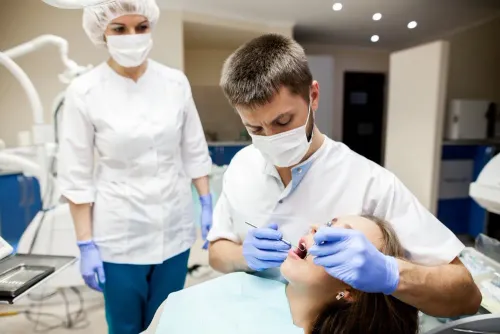
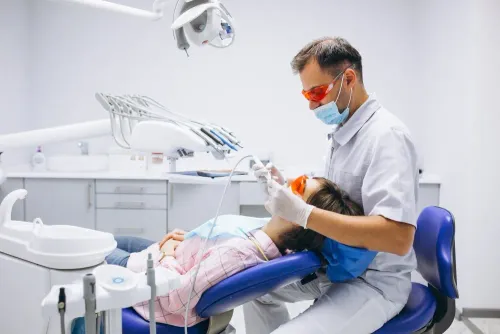
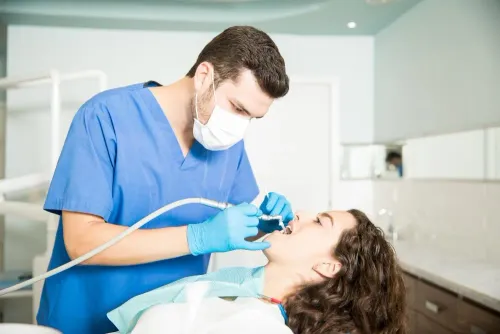
Expect a preventive appointment to feel more like an assessment and coaching session than an emergency treatment visit. The dentist reviews medical history, feeding, fluoride exposure, brushing, sugar frequency, eruption, bite, plaque, gums, oral habits, mouth breathing and any past injury. Radiographs are chosen only when age, risk and examination findings make an image useful.
A suitable pediatric dental clinic in chinchwad should make the visit manageable for your child and explain each step before doing it. Look for:
- A caries-risk review rather than a quick cavity search
- Fluoride-varnish and fissure-sealant decisions linked to risk
- Plaque-disclosing or brushing checks with practical caregiver coaching
- Tell-show-do, distraction and positive reinforcement before stronger behavior guidance
- A plan for preserving a restorable baby tooth instead of treating early loss as harmless
- Clear discussion of radiographs, consent, alternatives and recall timing
Use this comparison when choosing among local options:
| Option | What to check | When suitable |
|---|---|---|
| Child-focused clinic | Child-sized equipment, behavior guidance and preventive planning | Anxious children or ongoing prevention |
| General clinic | Experience treating children and willingness to adapt appointments | Cooperative children with straightforward needs |
| Urgent-only visit | Pain or infection treatment without a prevention plan | Emergency care, not routine follow-up |
A childrens dental clinic in chinchwad should answer your questions without dismissing fear or refusal. Ask the pediatric dentist in chinchwad how they adapt care to your child’s age and medical history. Dr. Gaikwad's Dental Clinic is one option to assess using these practical criteria for children dental care chinchwad.
Related service
Professional Pediatric Dentistry Services Professional Pediatric Dentistry Services The initial years of one’s life bring with them a wide variety of physical changes including the shedding of milk teeth and the appearance of new,... |
Frequently asked questions
When should a child’s first dental visit happen?
Schedule the first visit when the first tooth erupts and no later than 12 months of age.
Which early signs need a child’s dental attention?
Book an assessment for white or brown spots, bleeding gums, sensitivity, mouth pain, enamel changes, or difficulty chewing before these signs become painful.
What daily routine helps protect children’s teeth?
Brush twice daily with fluoride toothpaste, supervise brushing, limit frequent sugary snacks and drinks, and offer water between meals.
How do fluoride, sealants, cleaning, and monitoring differ?
Fluoride strengthens enamel, sealants cover cavity-prone grooves, cleaning removes plaque and deposits, and monitoring tracks changes that do not yet need treatment.
What happens during a preventive pediatric dental appointment?
The dentist checks teeth, gums, bite, oral habits, feeding, fluoride exposure, and development, then explains brushing, diet, risk level, and follow-up.