
A damaged tooth can need more support than a filling, while a missing tooth creates different problems involving chewing, speech and neighbouring teeth. By comparing crowns, bridges and alternatives, then checking suitability, treatment steps and maintenance, you can ask a local dentist better questions and choose a restoration that fits your oral health.
Key takeaways
- A crown repairs and covers one damaged tooth; a bridge replaces a missing tooth.
- Choose treatment after checking tooth strength, gum health, bite and neighbouring teeth.
- Ask about material options, appointment stages, cleaning access and expected maintenance.
- Clean beneath bridgework daily and attend reviews to catch looseness or decay early.
How Crowns and Bridges Restore Teeth and Missing Spaces
A crown restores an existing tooth; a bridge replaces a missing tooth. They solve different structural problems, so dental crowns and bridges in Chinchwad should not be treated as interchangeable options.
| Restoration | What it does | Main benefits | Important trade-off |
|---|---|---|---|
| Crown | Covers a damaged, weakened or heavily restored tooth | Restores chewing, reinforces the tooth, improves its shape and appearance, and protects a tooth after root canal treatment | Requires removal of some natural enamel and dentine, so it is not automatically suitable for a small cavity or minor chip |
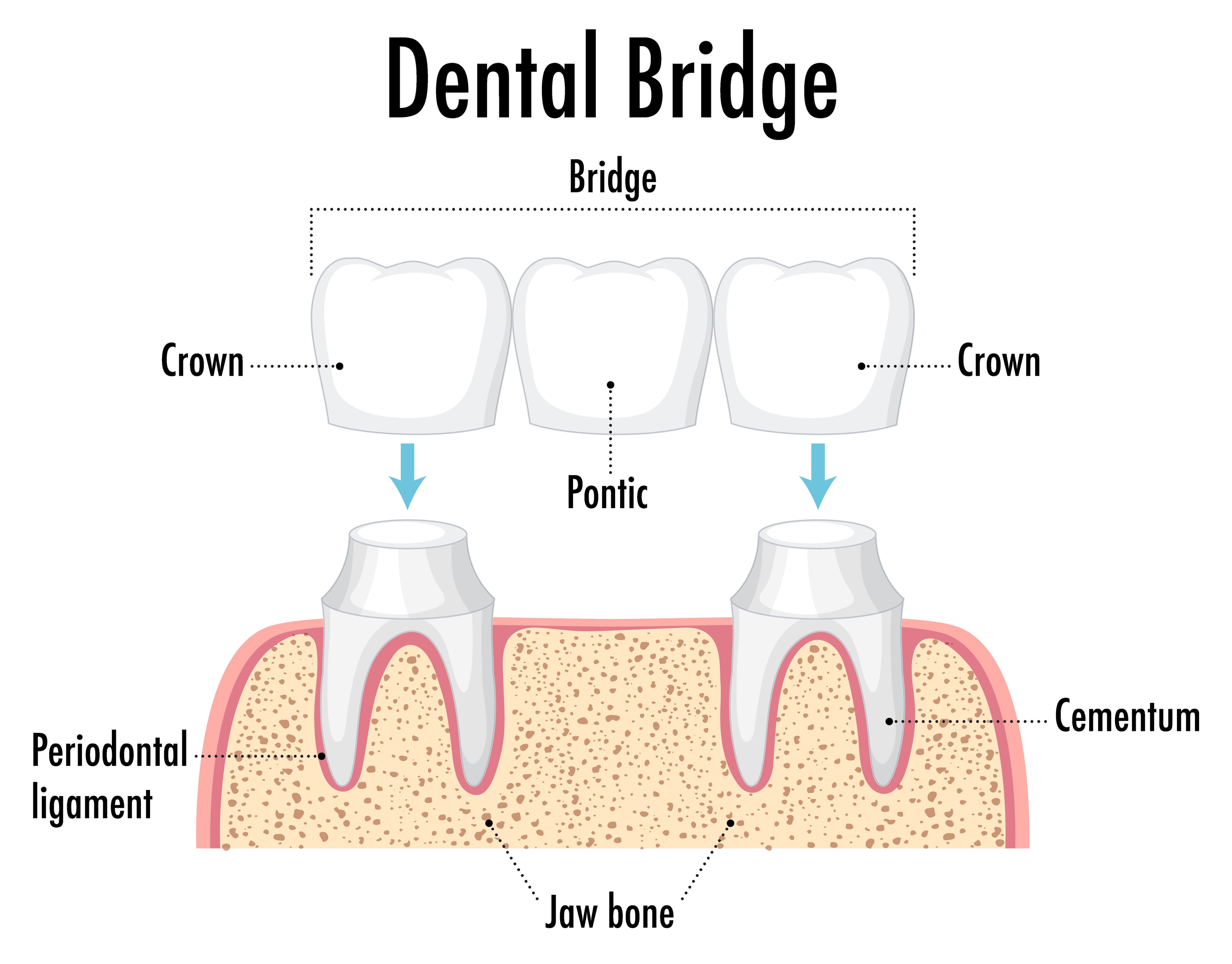
| Bridge | Suspends an artificial tooth, called a pontic, between neighbouring abutment teeth or on implants | Fills a visible gap, restores biting and chewing, supports speech, and helps stop nearby teeth drifting into the space | A tooth-supported bridge usually requires preparation of neighbouring teeth, including healthy ones; it does not preserve jawbone like an implant can |
A crown fits over the prepared tooth like a durable cap, helping contain cracks and replace lost tooth structure. It can also address selected cosmetic concerns, such as an unsuitable shape or severe discolouration.
A bridge restores the space left by one or more extracted or lost teeth. Its success depends on the support teeth or implants, bite forces and gum health, while cleaning beneath the pontic requires a floss threader or interdental brush.
The benefits of dental crowns and bridges in general dentistry in Chinchwad include restored function and appearance, but the right choice depends on whether a tooth can be saved or a missing space needs support.
When a Crown or Bridge Is the Right Treatment
A dentist must first decide whether the tooth can be saved and whether the proposed restoration will remain stable. Examination should cover remaining sound tooth structure, cracks, decay, gum pockets, supporting bone, bite forces and X-rays when the roots or bone are not fully visible.
Untreated decay or active gum disease needs control before definitive treatment; otherwise a restoration can look sound while failing underneath.
Crown and bridge decisions are not interchangeable:
| Option | What the dentist must confirm | When it applies |
|---|---|---|
| Crown | Enough healthy tooth and periodontal support remain to retain it; the crack is treatable and the bite will not overload it | An existing tooth is weakened by decay, a large filling, fracture or root-canal treatment |
| Bridge | Adjacent teeth or implants can provide reliable support, with healthy gums, suitable spacing and manageable bite forces | One or more teeth are missing and a fixed replacement is appropriate |
| Neither yet | Disease, poor support, inadequate tooth structure or an unstable bite needs treatment first | A filling, gum treatment, root-canal care, extraction or implant planning is safer |
A crown is not automatically suitable for a small cavity or minor chip because placement removes some enamel and dentine. Ask a provider offering general dentistry in Chinchwad or a dental crown specialist in Chinchwad to explain the conservative alternatives, material, laboratory process, maintenance plan and what happens if the restoration fails.
For a bridge, ask why an implant or removable replacement is not preferable.
Treatment Choices, Materials and What Appointments Involve
A crown covers an existing tooth; a bridge replaces a missing tooth with a pontic supported by neighbouring teeth or implants. The choice depends on remaining tooth structure, gum health, bite forces, appearance, cleaning access and budget—not simply on the visible gap.
| Option | Main material or design | Typical use |
|---|---|---|
| All-ceramic or zirconia crown | Tooth-coloured ceramic; zirconia offers high strength | Front teeth or strong chewing areas |
| Porcelain-fused-to-metal crown | Ceramic appearance over a metal core | Durable coverage when appearance and strength both matter |
| Traditional bridge | Pontic attached to two prepared neighbouring teeth | A gap with sound abutment teeth |
| Cantilever or Maryland bridge | Pontic supported from one side or bonded to a framework | Carefully selected gaps with limited support |
| Implant-supported bridge | Pontics attached to implants | Multiple missing teeth when implant support is suitable |
For dental crowns and bridges in Chinchwad, ask who evaluates restorability, prepares teeth, performs implant stages and makes the laboratory restoration. A provider offering dental bridge treatment in Chinchwad should also explain alternatives and what happens if the restoration loosens or fails.
- Examination includes gum measurements, decay checks, bite assessment, remaining tooth structure and X-rays when indicated. Treat active decay or gum disease before definitive work.
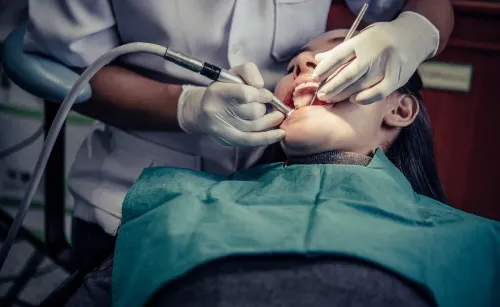
- The dentist prepares the tooth or abutments and records its shape, shade and bite.
- A temporary crown or bridge protects the area while the laboratory restoration is made. Avoid hard or sticky foods and report loosening promptly.
- At fitting, the dentist checks contact points, bite, margins and appearance before cementing the final restoration.
How to Protect a Crown or Bridge After Fitting
A loose crown or bridge needs prompt attention, not household glue. Contact your dentist if it moves, cracks, feels high when you bite, or causes persistent sensitivity, pain, bleeding or swelling. Delayed review can allow decay, gum damage or tooth movement to compromise the restoration.
1. For the first day, avoid chewing hard, sticky or very hot foods on the treated side. If a temporary crown or bridge loosens, save it and contact the clinic; tooth movement can prevent the final restoration from fitting correctly.
2. Brush twice daily with fluoride toothpaste, concentrating on the gumline. Clean beneath a bridge’s pontic and around its abutment teeth every day with a floss threader, interdental brush or another aid selected for you.
3. Do not bite ice, hard sweets, pen caps or fingernails. If you clench or grind, ask whether a night guard is appropriate; excessive bite force can fracture porcelain, loosen cement or damage supporting teeth.
4. Attend recommended examinations and hygiene visits. Decay, gum disease, poor plaque control, smoking, an unstable bite and weakened abutment teeth all shorten restoration service life.
Good maintenance protects the benefits of dental crowns and bridges in general dentistry in Chinchwad. Whether treatment was arranged through general dentistry in Chinchwad or another provider, request prompt review for a changed bite, bad taste, foul odour, visible crack or a gap forming at the margin.
Choosing Dental Crowns and Bridges in Chinchwad
Ask for a treatment plan based on your examination, not on a service label. A dental crown specialist in Chinchwad should assess the tooth’s remaining structure, root and gum support, bite forces, decay risk and X-rays when indicated. For a bridge, the provider must separately assess the missing space and each supporting tooth or implant.
Before consenting, ask:
- What is the diagnosis, and why is a crown or bridge better than a filling, orthodontic movement, implant, removable denture or extraction?
- Do I have active decay, gum disease, an untreated crack or inadequate bone support that must be managed first?
- Who will prepare the tooth, place any implant, and make the laboratory restoration?
- Which material is proposed, and how will it suit my bite, appearance and the location of the tooth?
- What will I wear during the temporary stage, and what should I do if it loosens or causes pain?
- How will I clean beneath a bridge, and what review schedule and repair policy apply if the restoration chips, loosens or fails?
| Question | Crown | Bridge |
|---|---|---|
| What it supports | One existing tooth | A replacement tooth supported by abutments or implants |
| Main risk to check | Insufficient tooth structure or a crack | Overloaded, decayed or weakened supporting teeth |
| Daily cleaning | Gumline and contact areas | Gumline, abutments and beneath the pontic |
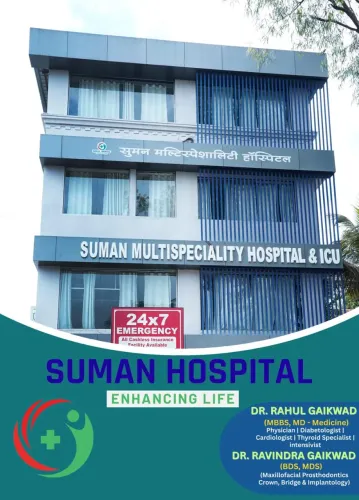
Dr. Gaikwad's Dental Clinic can be one local provider to ask these questions, including who handles laboratory or implant stages before you approve dental bridge treatment in Chinchwad.
Frequently asked questions
What is the difference between a dental crown and a bridge?
A crown covers and strengthens an existing tooth or dental implant. A bridge replaces a missing tooth by using neighbouring teeth or implants for support.
When is a crown or bridge the right treatment?
A crown suits a tooth weakened by decay, fracture, large fillings or root-canal treatment. A bridge suits a missing tooth when the supporting teeth and gums can handle the load.
What happens during crown or bridge treatment?
Appointments usually involve an examination, tooth preparation, impressions or digital scans, a temporary restoration, and fitting and adjustment of the final crown or bridge.
How do you protect a crown or bridge after fitting?
Brush twice daily, clean around the margins and under a bridge with floss threaders or interdental brushes, avoid using teeth to open objects, and attend dental reviews.
How should you choose dental crowns and bridges in Chinchwad?
Compare the proposed material, supporting tooth condition, cleaning instructions, treatment stages, adjustment policy and the clinician’s experience with restorative care.