
A childhood cavity, injury, enamel defect, missing tooth or bite problem can leave an adult smile uneven, darkened or difficult to restore. You will learn how to identify the underlying cause, compare cosmetic and corrective options, and prepare for a consultation that protects healthy tooth structure.
Key takeaways
- Treat decay, gum disease and infection before cosmetic treatment.
- Ask whether the problem affects chewing, speech or tooth stability.
- Compare whitening, bonding, veneers, crowns, orthodontics and implants by trade-offs.
- Request a staged plan with alternatives, maintenance needs and expected lifespan.
Which childhood dental problems can change your adult smile?
Untreated childhood cavities can leave adult teeth discoloured, weakened or covered by large fillings and crowns. Early loss of baby teeth lets neighbouring teeth drift, reducing the space needed for permanent teeth. Prolonged thumb-sucking can also alter tooth position and jaw development.
| Childhood problem | Visible adult change | Why appearance alone is insufficient |
|---|---|---|
| Molar-incisor hypomineralisation | Sensitivity, white or yellow-brown patches, chipped enamel and decay | Porous enamel can break down after eruption and bond less predictably to restorations |
| Fluorosis | Mild opacity, or deeper pitting and structural loss | It results from excessive fluoride intake while permanent teeth form, not after eruption |
| Trauma to a developing permanent tooth | Misshapen crown, darkening or delayed eruption | The tooth may have pulpal necrosis, calcific change or an earlier root canal |
| Crowding, spacing, crossbite or open bite | Uneven alignment or an irregular smile | Tooth position and the way teeth meet may require orthodontic treatment |
Not every childhood enamel mark is fluorosis or simple staining. MIH can require prevention and desensitisation before sealants, composite or cuspal coverage. A dark tooth after injury needs pulp and radiographic assessment; ordinary whitening will not address every cause.
A cosmetic dentist in Chinchwad for childhood dental problems must identify the cause before choosing whitening, bonding or veneers. Photographs cannot reveal hidden decay, deficient enamel, root disease or an altered bite, so treatment starts with examination and appropriate testing.
How does a dentist decide whether the concern is cosmetic, functional or diseased?
A cosmetic dentistry Chinchwad consultation begins with diagnosis, not a choice between whitening and veneers. A photograph cannot distinguish a surface stain from internal tooth disease, a cracked tooth or a dead pulp. The dentist decides whether the concern is cosmetic, functional or diseased by following a structured assessment:
1. The medical, dental and childhood treatment history records fillings, crowns, extractions, injuries, prolonged thumb-sucking, sensitivity and previous orthodontics.
2. Clinical photographs document tooth colour, shape, alignment and gum display, creating a baseline for planning and review.
3. The examination checks plaque, gum inflammation, enamel thickness, cracks, defective restorations, tooth wear, missing teeth and the amount of sound enamel available for treatment.
4. Bite analysis identifies crowding, rotations, crossbite, open bite, excessive overbite, unstable contacts and signs of bruxism. Tooth position or bite forces can make orthodontic or protective treatment more suitable than cosmetic reshaping.
5. Pulp or vitality testing is relevant when a tooth is dark, painful, traumatised or heavily restored. Radiographs help assess hidden decay, root health, impacted or missing teeth, previous trauma and bone support.
Active decay, untreated gum disease, an infected tooth, severe enamel loss, inadequate space, an unstable bite or a jaw discrepancy changes the treatment pathway. These problems require attention before elective smile work, so the diagnosis determines whether cosmetic treatment is appropriate and which option can preserve healthy tooth structure.
Which treatment matches the problem, and what will you give up to get it?
A cosmetic dentist in Chinchwad should match treatment to the cause, not to the most visible feature. Cosmetic dentistry Chinchwad planning becomes conservative when tooth movement, disease control or gum treatment comes before reshaping healthy enamel.
| Option | Best match | Tooth reduction and reversibility | Durability, maintenance and appointments |
|---|---|---|---|
| Orthodontics or clear aligners | Crowding, rotations, spacing or an altered bite | Preserves more tooth structure than reshaping; movement is reversible without retention | Requires active wear, reviews, time and lifelong retention because teeth can relapse |
| Composite bonding | Small chips, limited spaces or altered tooth shape | Little or no reduction; often repairable | Easier to repair, but stains, wears and fractures more readily than porcelain |
| Veneers | Selected teeth with adequate intact enamel and a cosmetic shape or colour concern | Preparation is generally irreversible | Needs plaque control and bite protection; it cannot treat decay, gum disease or a damaging bite |
| Crowns | Cracks, severe enamel loss, substantial weakness or large childhood restorations | Requires more preparation than bonding or veneers | Strong coverage, but involves laboratory appointments and future maintenance or replacement |
| External whitening | Colour change in natural teeth | No tooth reshaping | Does not whiten porcelain, ceramic, composite or metal; set the natural-tooth shade before replacing visible restorations |
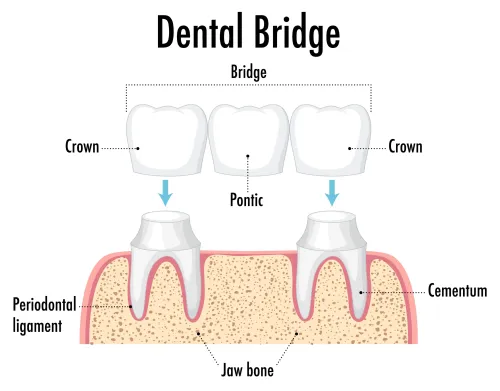
Internal bleaching is separate: it suits selected dark, root-treated or non-vital teeth after pulpal and radiographic assessment. Gum treatment can correct an uneven gum line when inflammation or excess tissue causes the display. Bridges and implants replace missing teeth; defer implants until facial growth is complete.
When is a smile makeover the wrong first step?
A smile makeover is the wrong first step when tooth position, disease, weak tooth structure or jaw growth controls the problem. If crowding, rotations or spacing began in childhood, braces or clear aligners can preserve more enamel than reducing several teeth to make veneers fit.
| Option | Best first use | Main concern |
|---|---|---|
| Orthodontics | Crowding, spacing, rotations or an altered bite | Teeth need retainers because relapse can occur |
| Restorative treatment | Decay, fractures, defective large fillings or enamel breakdown | Early work before alignment can need extra reduction and create uneven contacts |
| Surgical orthodontics | A jaw discrepancy affecting bite or facial balance | Tooth movement alone will not correct the skeletal problem |
| Provisional replacement | A missing permanent tooth in a growing teenager | An implant can become submerged or displaced as the jaw develops |
Restorative dentistry takes priority when a tooth is fractured, actively decayed, poorly filled, structurally weakened or likely to need a crown. Placing restorations before alignment can leave an unstable bite, uneven contacts and less tooth structure; alignment may also change the shape and position that the restoration must match.
A growing teenager with a missing permanent tooth may need space management, a removable tooth or another provisional restoration. Defer an implant until facial growth is complete.
The plan for a smile makeover in Chinchwad should state the sequence clearly:
- Control decay, infection and gum inflammation.
- Stabilise the bite and remaining tooth structure.
- Consider whitening, bonding, veneers or replacement teeth only after those steps.
That sequence protects healthy enamel and prevents a cosmetic label from delaying necessary care.
What should you ask a cosmetic dentist in Chinchwad before accepting a plan?
Ask a cosmetic dentist in Chinchwad to answer these questions before you approve treatment:
- Which teeth are being treated, and what childhood event caused the change?
- Is each tooth vital, previously root-treated, traumatised or structurally weak?
- How much enamel will you remove, and is the proposed treatment reversible?
- How will you choose the shade, and will it match fillings, crowns or neighbouring teeth?
- How long should it last, and what staining, repair and replacement should you expect?
- Will you need a night guard, special cleaning, or bite adjustments if you clench?
- What happens if a traumatised tooth later becomes painful, darkens or develops infection?
- Do you need photographs, bite records, gum measurements or radiographs before treatment?
A smile makeover in Chinchwad is not a standard procedure. Compare the plan with the alternatives:
| Option | Main use | Key trade-off |
|---|---|---|
| Orthodontics | Crowding, spacing or rotated teeth | Takes time and needs retention, but preserves enamel |
| Bonding | Small chips or shape changes | Conservative and repairable, but stains or wears sooner |
| Veneers or crowns | Selected discolouration or weak structure | More durable coverage, but requires irreversible preparation |
| Surgical orthodontics | Jaw-related bite discrepancy | Addresses skeletal imbalance, not merely tooth position |
Dr. Gaikwad's Dental Clinic in Chikhali, Moshi can be useful when one consultation must coordinate restorative, orthodontic, gum-care and tooth-replacement questions. Choose the sequenced plan that preserves sound tooth structure and treats the childhood cause, not the most cosmetic-sounding label.
Frequently asked questions
Which childhood dental problems can change your adult smile?
Untreated childhood cavities can leave discolouration, weakened teeth, large fillings and crowns. Early loss of baby teeth can let neighbouring teeth drift, while prolonged thumb-sucking can affect tooth position and jaw development.
How does a dentist decide whether the concern is cosmetic, functional or diseased?
A dentist examines tooth structure, decay, gum health, bite, chewing, speech and jaw development. A concern is cosmetic when health and function are stable; pain, infection, decay, gum disease or impaired function require treatment first.
Which treatment matches the problem, and what will you give up to get it?
Whitening addresses suitable surface or internal discolouration, bonding repairs limited shape changes, orthodontics moves teeth, and veneers or crowns alter visible tooth structure. Each option differs in tooth preparation, durability, maintenance, treatment time and cost.
When is a smile makeover the wrong first step?
Do not begin with elective cosmetic work when you have active decay, gum disease, infection, unstable fillings, inadequate tooth support or an untreated bite problem. Stabilise these conditions before planning appearance-focused treatment.
What should you ask a cosmetic dentist in Chinchwad before accepting a plan?
Ask for the diagnosis, treatment alternatives, amount of tooth reduction, effect on chewing and speech, maintenance schedule, expected lifespan, risks, fees and what happens if a restoration fails.